
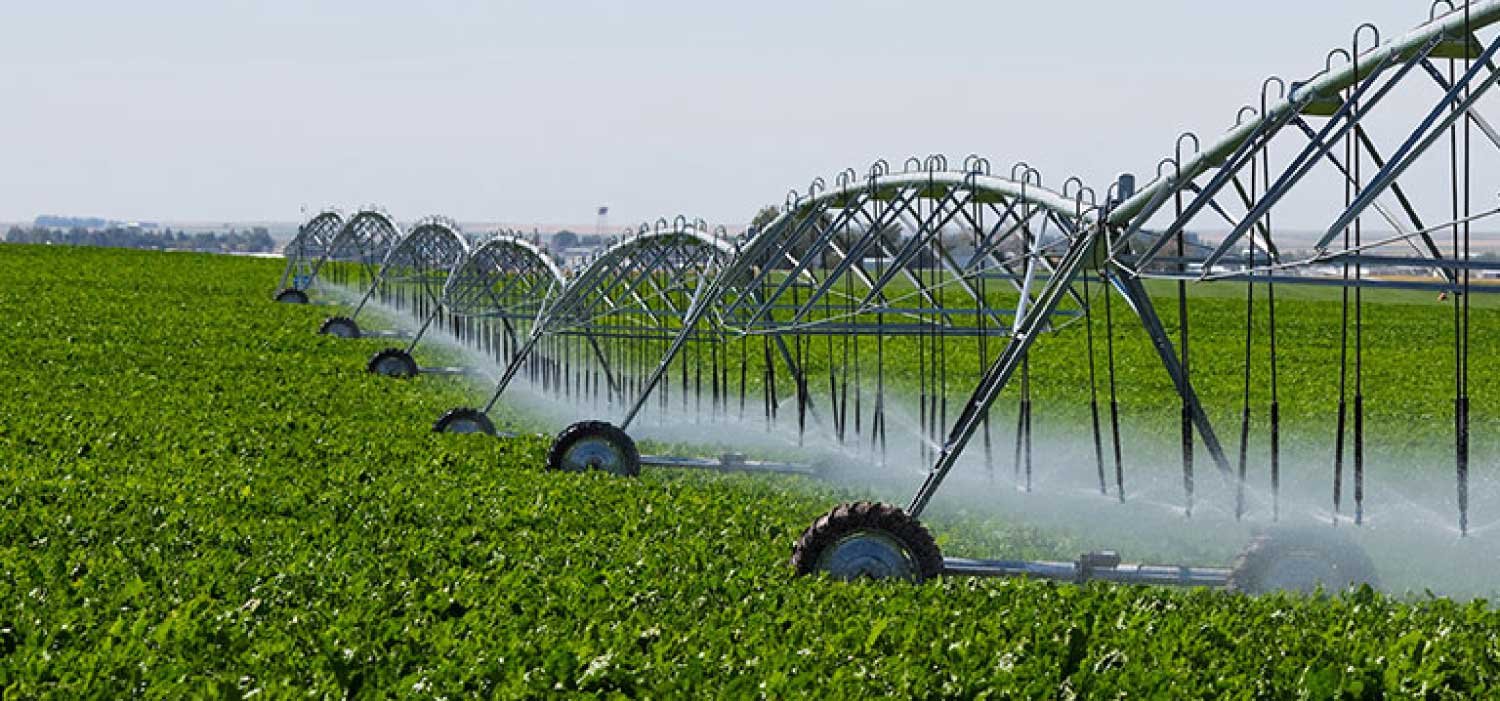
Agriculture is at the heart of Uganda’s economy, providing employment and sustenance to a large portion of the population. In the districts of Kiboga and Kyankwanzi, mechanisation is playing a pivotal role in transforming traditional farming methods, driving productivity, and enhancing the livelihoods of local communities.
1. The Need for Mechanisation
Kiboga and Kyankwanzi are primarily agricultural regions where farmers have historically relied on manual labor and traditional tools. However, this approach often limits productivity and yields, especially as demand for food and cash crops grows both locally and nationally. With mechanisation, farmers can cultivate larger areas more efficiently and reduce the physical strain associated with traditional farming. This shift is especially beneficial for staple crops like maize, beans, and coffee, which require extensive land preparation and management.
Agricultural mechanisation in Kiboga and Kyankwanzi is helping to modernise farming, enhance productivity, and improve lives. By embracing this technology, the districts are setting a powerful example of growth and resilience for Uganda’s agricultural sector.
2. Benefits of Mechanization in Kiboga and Kyankwanzi
Mechanization introduces tractors, plows, and planting equipment that can drastically reduce the time needed for critical tasks. This increase in efficiency allows farmers to plant and harvest more crops within the same season, boosting overall yields and incomes. In Kyankwanzi, for example, a farmer with access to mechanized tools can prepare their land in days rather than weeks, allowing for timely planting and a better response to seasonal rainfall patterns.
3. Empowering Smallholder Farmers
Mechanization isn’t just about larger farms; it has become increasingly accessible to smallholder farmers through cooperative programs, partnerships, and government initiatives. In both districts, cooperatives are providing equipment rentals, enabling small-scale farmers to benefit from mechanization without high upfront costs. These cooperatives play a crucial role in training farmers on equipment use, maintenance, and best practices, ensuring long-term success and sustainability.
4. Challenges to Mechanization
Despite the many benefits, challenges to mechanization in Kiboga and Kyankwanzi persist. Limited access to financing, high costs of machinery, and occasional maintenance issues can deter widespread adoption. Additionally, there is a learning curve associated with using new technology, which some older farmers may find intimidating. To overcome these barriers, local governments and agricultural organizations are working to provide training, subsidies, and support to encourage adoption.
5. A Vision for the Future
With continued investment and support, Kiboga and Kyankwanzi have the potential to become model districts for agricultural mechanisation in Uganda. By empowering farmers to produce more efficiently and sustainably, mechanisation not only improves local food security but also contributes to the nation’s economic development. As more farmers adopt mechanised practices, these communities are set to experience a brighter and more prosperous future, inspiring other regions to follow suit.
Comments are closed