
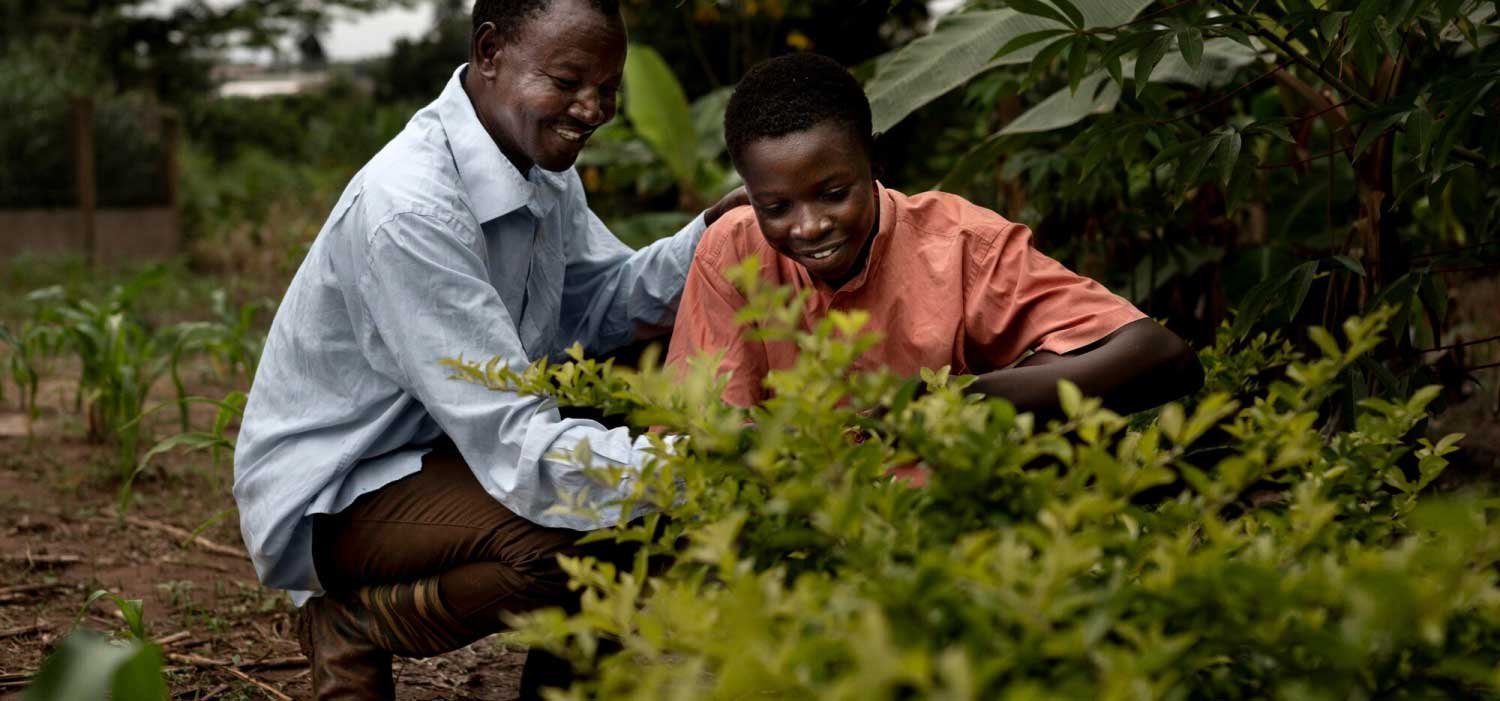
In recent years, the districts of Kiboga and Kyankwanzi in Uganda have been at the forefront of a transformative movement in agriculture known as agro-ecology. As the world faces climate change, soil degradation, and food security challenges, agro-ecology offers a promising way to cultivate food sustainably while benefiting local communities and preserving the environment. In these two districts, embracing agro-ecological practices is empowering farmers, boosting food production, and protecting Uganda’s natural resources.
What is Agro-Ecology?
Agro-ecology is an approach to farming that integrates ecological principles with agricultural production. Unlike conventional agriculture, which often relies on chemical fertilizers and pesticides, agro-ecology promotes natural processes, biodiversity, and sustainable practices. It emphasizes a holistic view, where farming is interconnected with local ecosystems, social equity, and economic viability.
By working with nature rather than against it, agro-ecology aims to create resilient, productive, and healthy agricultural systems.
Why Kiboga and Kyankwanzi?
Kiboga and Kyankwanzi are characterized by their rich soils and vibrant farming communities, making them ideal for implementing agro-ecological practices. These regions rely heavily on agriculture as a primary source of income and sustenance, yet they face challenges such as unpredictable weather patterns, soil depletion, and deforestation. Agro-ecology offers practical solutions tailored to the unique needs and resources of these districts, helping farmers to build resilient systems that adapt to environmental changes.
Benefits of Agro-Ecology in Kiboga and Kyankwanzi
- Soil Health and Biodiversity
By using organic fertilizers, crop rotation, and intercropping, agro-ecology improves soil fertility and encourages biodiversity. These practices reduce dependency on chemical inputs and help maintain a healthy ecosystem that supports beneficial insects, soil microorganisms, and diverse plant species. - Resilience to Climate Change
Climate change has increased the frequency of droughts and floods, directly impacting agriculture in Uganda. Agro-ecological methods like water conservation, agroforestry, and cover cropping help retain soil moisture, reduce erosion, and provide shade, making farms more resilient to extreme weather. - Economic Empowerment for Farmers
Agro-ecology reduces the costs associated with purchasing chemical inputs, allowing farmers to save and reinvest in their farms. Additionally, farmers can diversify their income by producing a variety of crops, which helps them remain financially stable in case one crop fails or market prices fluctuate. - Sustainable Food Security
Agro-ecology promotes food security by encouraging diverse crop production, including indigenous crops that are often more nutritious and better suited to the local environment. This diversity provides a balanced diet for local families and ensures a steady food supply.
Real Stories from the Fields
Local farmers in Kiboga and Kyankwanzi are already witnessing the positive impacts of agro-ecology. Take Sarah, a farmer from Kiboga who adopted crop rotation and organic composting. Her soil quality has improved dramatically, and her harvests are more bountiful than ever before. In Kyankwanzi, a group of young farmers started a cooperative to implement agroforestry, planting trees alongside their crops to enrich the soil and provide a secondary source of income through fruit and timber sales.
Looking Forward: The Future of Agro-Ecology in Uganda
The adoption of agro-ecology in Kiboga and Kyankwanzi is more than a trend—it’s a movement towards sustainable farming that can inspire other regions in Uganda and beyond. With continued support from local authorities, NGOs, and community leaders, agro-ecological practices can spread, empowering more farmers to embrace sustainability and resilience.
Embracing agro-ecology in Kiboga and Kyankwanzi is a promising step towards a greener, more sustainable Uganda. It protects the land, improves livelihoods, and builds resilient communities, ensuring that future generations will inherit a thriving environment capable of supporting them. As we look to the future, agro-ecology stands as a beacon of hope for sustainable farming in Uganda.
Comments are closed